Tesla Powerwall 3 Installation on the Central Coast
Certified Tesla Powerwall installers helping Central Coast homes store more solar, cut electricity bills, and stay powered through blackouts.
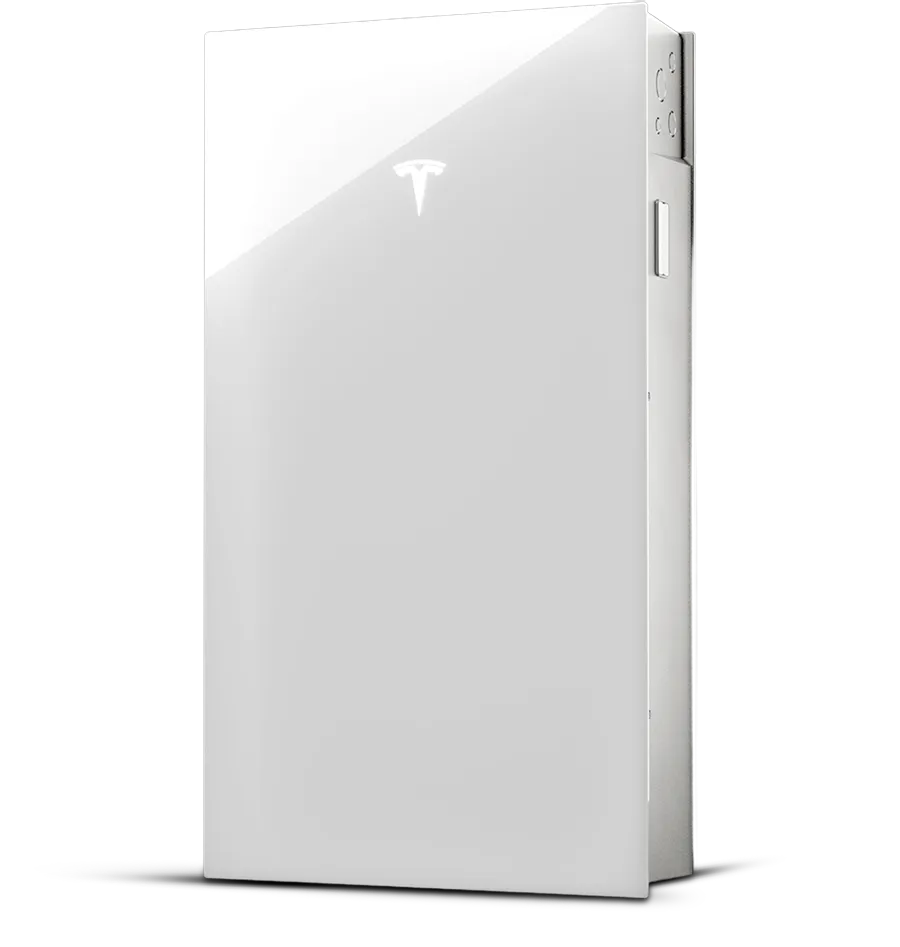
What Is the Tesla Powerwall 3?
The Tesla Powerwall 3 is Tesla’s most advanced home battery, storing 13.5kWh of usable energy with a built-in solar inverter, so unlike most home batteries, it doesn’t need a separate inverter to work with your solar panels.
That integrated inverter is the big change from the Powerwall 2. It means the Powerwall 3 can be installed as a complete standalone solar-and-battery system for a new install, or added to an existing solar system as an AC-coupled battery either way, without paying for a second piece of inverter hardware.
It also delivers a lot more power: 11.04kW of continuous output (the Australian-market figure), more than double the Powerwall 2. That’s enough headroom to run air conditioning, an EV charger and everyday appliances at the same time during a blackout, a genuine advantage here on the Central Coast, where storm-related outages aren’t rare.
Need more storage than one unit provides? The Powerwall 3 can be expanded later with up to three Tesla Powerwall 3 Expansion Packs, for a combined 54kWh without adding another inverter.
Tesla Powerwall 3 Specifications
Battery & Power
- Usable energy capacity: 13.5 kWh per unit
- Continuous power output (AC, AU spec): 11.04 kW
- Peak/backup power output: 11.04 kW
- Expandable to: up to 54 kWh with 3 Expansion Packs
- Battery chemistry: Lithium Iron Phosphate (LFP)
- Warranty: 10 years
Solar & Installation
- Built-in solar inverter: yes — no separate inverter required
- Max. solar DC input: up to 20 kW (3 x MPPTs, AU spec)
- Grid connection: single phase, 230V AC, 50Hz
- Mounting: floor or wall-mounted, indoor or outdoor rated
- Weather rating: IP67, -20°C to 50°C operating range — built for coastal conditions
- Coupling options: new solar (DC-coupled) or existing solar (AC-coupled)
How Much Does a Tesla Powerwall 3 Cost on the Central Coast?
A fully installed Tesla Powerwall 3 in Australia typically costs $14,500–$17,000 before rebates. With the federal Cheaper Home Batteries Program rebate applied at the point of sale, most Central Coast households pay closer to $9,500–$13,000 out of pocket (figures current as of August 2026 — the rebate reduces in steps from January 2027, so acting sooner locks in a larger discount).
If you connect your Powerwall to an eligible Virtual Power Plant, the NSW VPP incentive can bring the cost down further on top of the federal rebate. Every home is different — switchboard condition, cable runs and whether you’re installing solar at the same time all affect the final number.
See our full Federal Battery Rebate guide for current eligibility, or get an itemised, no-obligation quote for your specific home.
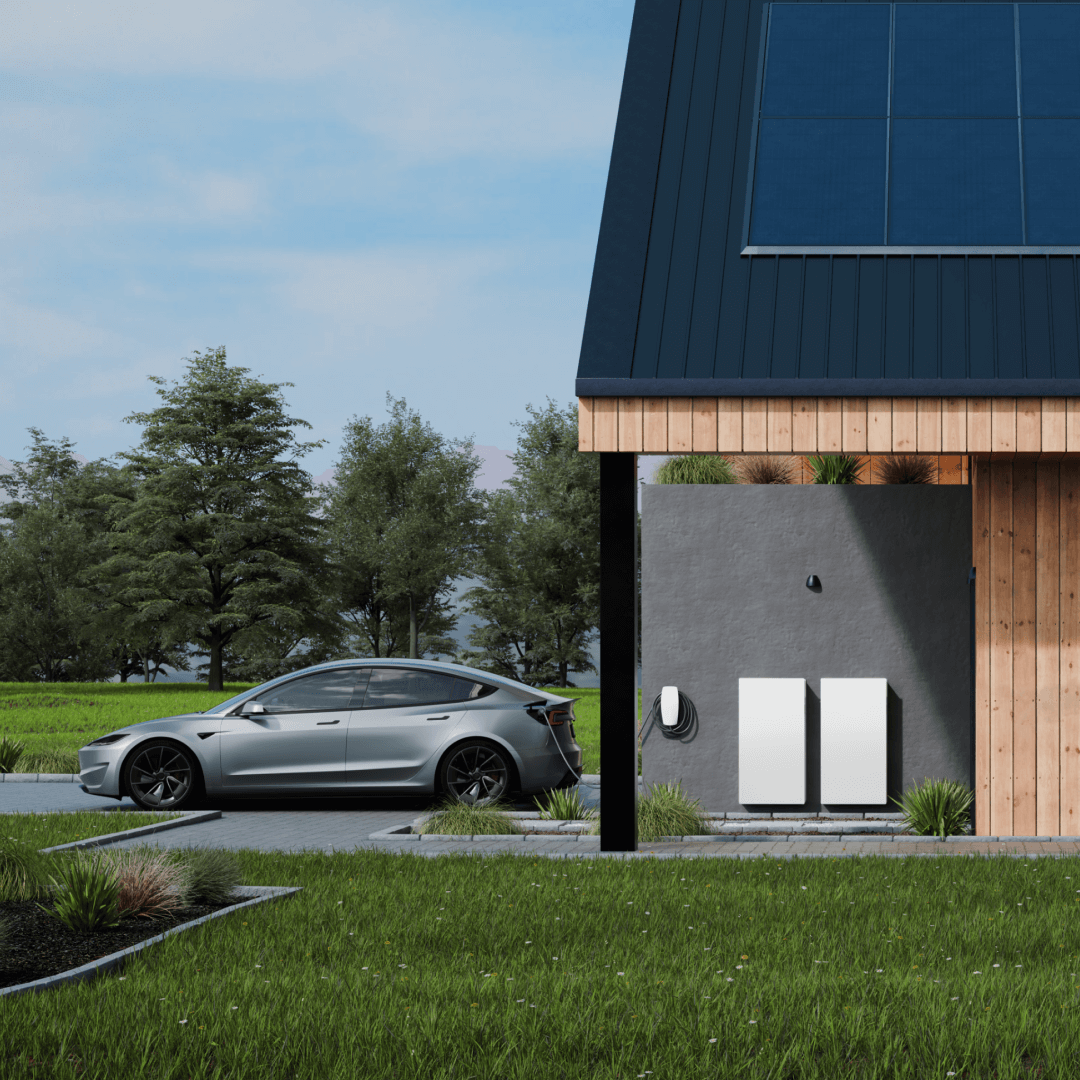
Why Central Coast Homeowners Choose the Powerwall 3
More backup power
11.04kW continuous output runs your AC, EV charger and everyday appliances together during an outage — not just the essentials.
No separate inverter
The built-in solar inverter saves on hardware cost and keeps your battery system simpler to maintain long-term.
Built for the coast
IP67-rated and built to handle -20°C to 50°C — engineered for salt air, humidity and Central Coast storms.
Grows with you
Start with one Powerwall 3 and add up to three Expansion Packs later as your energy needs grow — no new inverter needed.
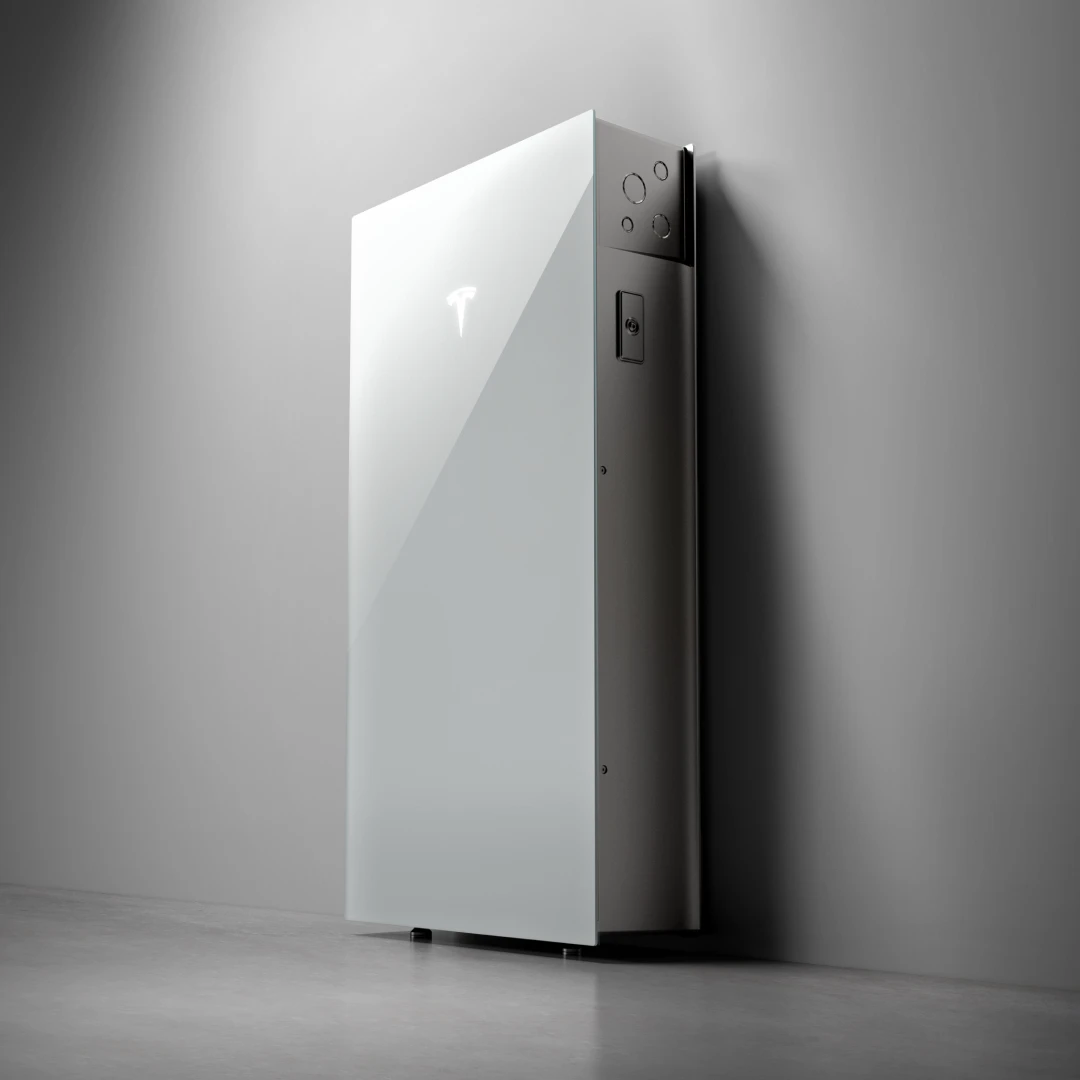
Your Tesla Powerwall 3 Installation, Start to Finish
1. Request a Quote
Tell us about your home and energy goals. We’ll assess whether the Powerwall 3 suits a new solar install or an AC-coupled retrofit to your existing panels.
2. Site Assessment & Rebate Check
We check your switchboard, roof and site conditions, and confirm exactly what federal and NSW rebates you’re eligible for before you commit.
3. Tesla Certified Installation
Our Tesla Certified installers complete the install to Tesla’s standards and Clean Energy Council requirements, with all rebate paperwork handled for you.
4. Monitor & Optimise
Track solar production, storage and usage in the Tesla app, and we’re on hand locally for ongoing support and servicing.
Tesla Powerwall 3 Installers Across the Central Coast
We install and service Tesla Powerwall systems for homes right across the Central Coast, including Gosford, Terrigal, Bateau Bay, Avoca Beach, Umina Beach, Wyong, Woy Woy and The Entrance. Being based locally means faster site visits, faster servicing, and installers who understand Central Coast roofs, network export rules and storm exposure firsthand.
Tesla Powerwall 3 — Frequently Asked Questions
How much does a Tesla Powerwall 3 cost in Australia?
A fully installed Tesla Powerwall 3 typically costs $14,500–$17,000 before rebates, or around $9,500–$13,000 after the federal Cheaper Home Batteries Program rebate (current as of August 2026). NSW households connected to an eligible Virtual Power Plant can access further savings on top of the federal rebate.
How much energy storage does the Powerwall 3 hold?
Each Powerwall 3 stores 13.5kWh of usable energy. It can be expanded with up to three Powerwall 3 Expansion Packs for a combined 54kWh, without needing a second inverter.
Can the Tesla Powerwall 3 work during a power outage?
Yes. The Powerwall 3 delivers 11.04kW of continuous backup power in Australia — more than double the Powerwall 2 — enough to run most Central Coast homes’ air conditioning, EV charging and everyday appliances together during an outage.
Do I need existing solar panels to install a Powerwall 3?
No. The Powerwall 3 has a built-in solar inverter, so it can be installed as a standalone system alongside new solar panels, or added to an existing solar system as an AC-coupled battery.
Is the Tesla Powerwall 3 eligible for rebates on the Central Coast?
Yes. The Powerwall 3 qualifies for the federal Cheaper Home Batteries Program rebate, plus the NSW VPP incentive where applicable. See our Federal Battery Rebate guide for current amounts.
Can I add more storage later if I only install one Powerwall 3 now?
Yes — up to three Tesla Powerwall 3 Expansion Packs can be added later without needing a second inverter.
Not Sure Which Battery Is Right for You?
The Powerwall 3 is a strong choice for most homes, but it isn’t the only option we install. If you’d like to compare it against other systems we’re certified for, see our Sigenergy SigenStor and Enphase battery pages, or get in touch and we’ll talk through what actually fits your home and usage.





