Sizing Your Solar & Battery System
How to Choose the Perfect System for Your Home
Investing in a renewable energy system is one of the smartest financial decisions a Central Coast homeowner can make. However, the true value of your investment hinges entirely on selecting the correct system capacity. If your setup is too small, you remain dependent on expensive grid power during peak times. If it is too large, you pay unnecessary upfront costs for capability you will never fully employ.
At Coastal Solar Solutions, we take the complexity out of this process. We design custom solar and battery setups for families and businesses across the Central Coast and surrounding areas, ensuring every panel and kilowatt-hour of storage matches your lifestyle perfectly.
Determining Your Solar System Capacity (kW)
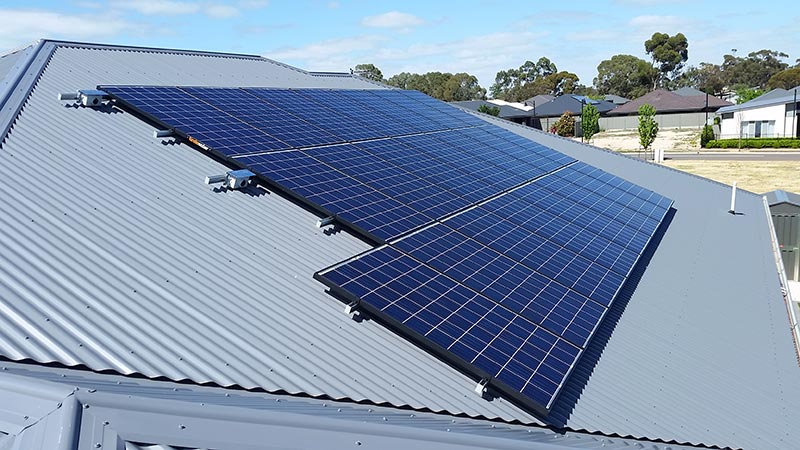
The total potential output of your solar system is measured in kilowatts (kW). Finding the perfect number of panels requires looking at more than just the physical space available on your roof. Our local installation experts review several critical elements:
1. Your Average Daily Consumption
We look closely at your quarterly electricity statements to calculate your median daily kilowatt-hour (kWh) usage. A couple living in a smaller villa in Erina will have vastly different energy demands compared to a large family running ducted air conditioning and a heated swimming pool in Wamberal.
-
Small Households (1-2 people): Typically require an array scale around 5kW to 6.6kW.
-
Medium Households (3-4 people): Generally benefit from a 6.6kW to 10kW setup.
-
Large Households / High Energy Users: Often require 10kW to 13.2kW or greater to cover heavy daytime loads.
2. Roof Orientation and Pitch
On the Central Coast, positioning your panels effectively dictates how much sunlight they capture. North-facing roofs provide peak total generation throughout the middle of the day. West-facing roofs are excellent for capturing late afternoon sun, which aligns perfectly with when households start turning on appliances after school and work.
3. Property Constraints and Phase Type
Your property’s connection type plays a massive role. Single-phase properties often face strict inverter capacity limits enforced by the local electrical network provider, whereas three-phase properties allow for much larger capacity systems.

Finding the Right Battery Storage Capacity (kWh)
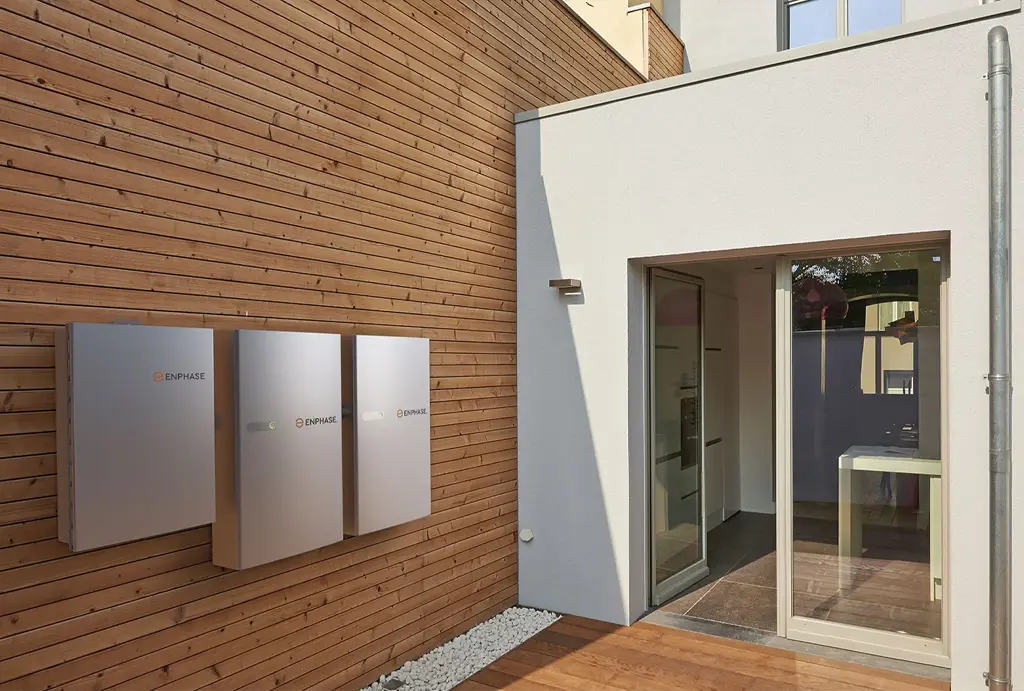
While solar panels generate electricity when the sun shines, a battery storage unit holds that excess energy for later. Battery storage is rated in kilowatt-hours (kWh), representing the total volume of power it can retain.
To find your ideal battery scale, we focus on two core operational goals:
Offsetting Evening Peak Rates
Most families draw the highest amount of power between 4 pm and 9 pm. This is exactly when electricity retailers charge their highest rates. By installing a battery with enough capacity to cover this specific multi-hour window, you can avoid paying premium grid rates entirely.
Blackout Protection and Essential Circuits
If you live in the surrounding valleys or areas prone to storm interruptions, backup power is crucial. We help you isolate essential circuits—like your refrigerator, Wi-Fi router, water pumps, and primary lighting, so a medium-capacity battery can keep your home safe and functional during an unexpected outage.
A Three-Step Evaluation for Your Property Capacity
Before locking in a specific system size, it helps to review how your household consumes energy day to day. By looking at these three elements, you can gain a much clearer picture of what your property requires:
-
Step 1: Check Seasonal Bill Volatility: Review your electricity statements from both the height of summer and the depth of winter. On the Central Coast, heating and cooling create massive shifts in daily kilowatt-hour ($\text{kWh}$) demands. Designing a system to handle these peak seasons ensures you stay protected year-round.
-
Step 2: Identify Your High-Load Windows: Note the exact times your home draws the most power. If your house is empty during the day but busy from 5 pm onwards, a larger battery capacity is far more beneficial than simply adding more solar panels.
-
Step 3: Account for Future Household Upgrades: System capacity design should always consider your long-term plans. Are you intending to buy an electric vehicle, add a swimming pool, install ducted air conditioning, or welcome new family members? Adding extra capacity now is much more cost-effective than trying to expand your array down the track.

Why Central Coast Homeowners Trust Coastal Solar Solutions
From the bustling hubs of Gosford and Wyong to the coastal retreats of Terrigal, The Entrance, and the surrounding hinterland, we are proud to be the region’s premium clean energy partner.
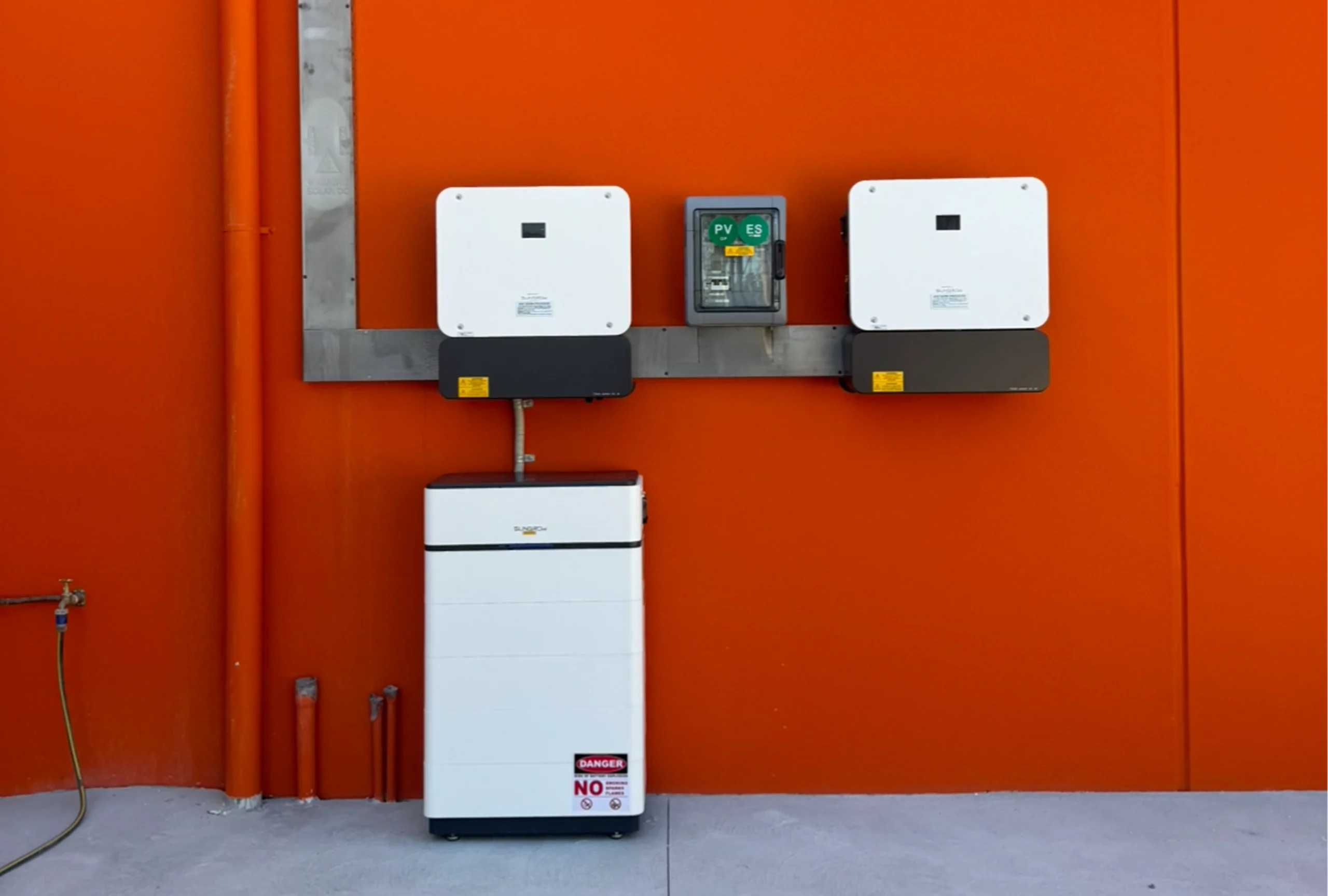
We never rely on generic, one-capacity-fits-all packages. Our fully qualified local technicians perform accurate on-site assessments, checking for coastal salt spray factors, local tree canopy shading, and specific architectural layouts.
We ensure your custom-designed setup delivers maximum savings, reliability, and absolute independence from unpredictable power company rate hikes.
Need Help Sizing Your Solar & Battery System? Let’s Talk!
Schedule an appointment today
Why choose Coastal Solar Solutions
1. We're local, just like you
Being local to the Central Coast means we understand the conditions here, allowing us to quickly diagnose the potential problem.
2. We're certified
As certified solar repair specialists, we have the necessary training and qualifications to safely and effectively repair all types of solar inverters.
3. Fast response times
Because we’re based on the Central Coast, we offer fast response times, keeping downtime of your system to a minimum.





